
04 Jan 2026
UV Therapy for Vitiligo in Bangalore: Benefits, Process & Side Effects
Vitiligo is often misunderstood. While it appears as a change in skin colour, its impact goes far deeper – affecting confidence, daily interactions, and emotional wellbeing. Over the years, treatment options have evolved, and today, UV therapy remains one of the most reliable medical approaches for managing vitiligo. For patients seeking vitiligo treatment in Bangalore, this therapy has helped many regain pigmentation safely and gradually.
Why Do White Patches Appear?
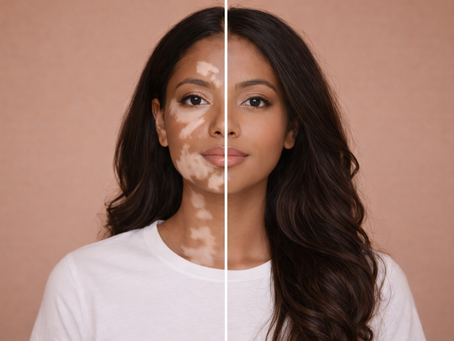
Vitiligo develops when melanocytes, the cells responsible for skin colour, stop producing pigment. This leads to white patches on skin that may appear suddenly or progress slowly over time. The condition can affect any age group and any part of the body.
There is no single cause. Autoimmune activity, genetic tendencies, oxidative stress, and environmental triggers are some of the commonly identified causes of white patches on skin. What’s important to understand is that vitiligo is not contagious and does not pose a threat to overall health.

What Exactly Is UV Therapy?
UV therapy, also known as phototherapy, uses controlled ultraviolet light to stimulate pigment-producing cells in the skin. The most widely used and medically accepted form today is Narrowband UVB therapy.
Unlike topical creams that work on the surface, UV therapy works deeper – encouraging dormant melanocytes to restart pigment production. Over time, this leads to gradual and natural-looking repigmentation.
How the Treatment Is Done
UV therapy is always customised. No two vitiligo cases are the same.
- The process begins with a detailed assessment of the skin, the stability of vitiligo, and the areas involved.
- Treatment sessions are conducted using specialised medical equipment that delivers precise UV doses.
- Sessions usually last only a few minutes and are repeated two to three times a week.
- Improvement happens slowly. Early signs often appear as small pigment spots around hair follicles, which spread gradually.
Consistency matters more than speed. Results are built over months, not days.
Benefits Patients Commonly See
UV therapy has stood the test of time because it works – when used correctly.
Patients often notice:
- Gradual return of skin colour
- Better control over disease progression
- Improved response when combined with topical treatments
- Safe use across age groups, including children (with supervision)
For people with widespread vitiligo, UV therapy often provides better coverage than localised treatments.

Are There Any Side Effects?
When done under medical supervision, side effects are usually mild and temporary.
Some patients may experience:
- Mild redness or warmth after sessions
- Dryness or itching
- Slight darkening of surrounding skin
Serious side effects are rare, especially when treatment is properly monitored. Regular follow-ups ensure doses remain safe and effective.
UV Therapy vs Laser Treatment
Patients often ask whether UV therapy or laser treatment for vitiligo in Bangalore is the better option. The answer depends on the pattern of vitiligo.
Laser treatments work well for small, defined patches. UV therapy is more suitable for larger or multiple areas. In some cases, a combination approach delivers the best results — something only a detailed consultation can determine.
Who Should Consider UV Therapy?
UV therapy may be recommended if:
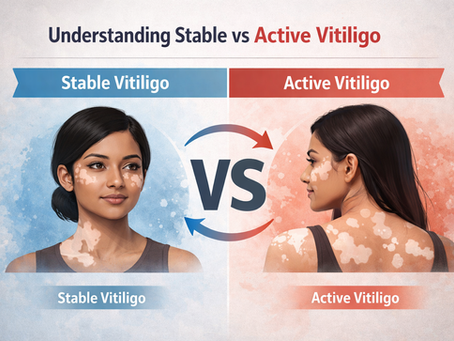
- Vitiligo is stable or slowly progressing
- Patches are widespread
- Topical treatments alone haven’t helped
- The patient can commit to regular sessions
It may not be suitable for individuals with certain photosensitive conditions, which is why professional evaluation is essential.
A Thoughtful Approach Matters
Vitiligo treatment is not about rushing results – it’s about choosing what’s right for your skin. UV therapy continues to be a dependable option when guided by experience and care.
If you’re noticing new patches or changes in existing ones, an early consultation can make a real difference. With the right diagnosis and a personalised plan, vitiligo can be managed effectively and safely.